Content Style Guide
This guide is designed to help you create clear, consistent, and engaging experience content that resonates with your audience. Whether you're writing for web, social media, or print, following these guidelines will ensure your messaging aligns with your brand voice and meets the highest standards of quality.
Content Basics
Creating a high-quality listing for your tourism product – one that works for your audience as well as resellers – requires a bit of time and effort. The rewards are obvious, though, so let's explore how Magpie can help you craft a unique listing that attracts customers and makes it easier to manage your listing across multiple sites.
In e-commerce, 20% of user task failure is due to unclear or incomplete product information.
Source: NNgroup
What your listing should do
The objective of your listing is to attract customers and allow them to book. A great listing is more than just an accurate representation of your product. We'll show you how to create a listing that uses proven marketing tactics to:
- Create trust and confidence in you and your product,
- Enable a potential customer to imagine themselves engaged in your activity,
- Remove spend guilt, which is a major reason people decide against purchasing online.
How people read digital content
On websites and apps, users don't read every word – at least not when first finding out about a product. They skim. So even a single phrase that doesn't add to a user's understanding is a distraction. We'll show you how to use this to your advantage by:
- Getting to the point, fast,
- Identifying and removing unnecessary content,
- Structuring sections to maximize effectiveness.
Put your content first
Resellers operate on websites and apps; each with their own styles, colors and fonts. Your potential customer is looking at your content on desktops, tablets and phones. We need to make everyone happy. A ‘content first’ approach simply means that content that works on all devices will work for more people. You can create effective mobile-first content by:
- Not assuming content layout or appearance,
- Creating a clear hierarchy of content and calls to action,
- Writing everything more concisely: headings, descriptions, highlights and all.
Tone & Voice
Define your voice
Your voice reflects who you are, what you are like and how you behave. Your voice is your identity. It is unique. It doesn't change. You should always sound like you. Think about your brand, and how your product or products reflect that brand.
Are you carefree or careful?
“Fly like a bird and ride the thermal winds effortlessly…”
“Our leaders, each with more than 10 years' experience, will ensure you glide and land safely…”
Are you fun or more serious?
“Spelunk! More than an activity, it's also the sound you make as you plop into the waters of this vast underground cave…”
“This network of caves and pools offer insights into the lives of inhabitants who occupied this area thousands of years ago…”
Are you an expert or a peer?
“Our team of PhD entomologists expertly guide you through the lifecycle of the glow worm…”
“We're always captivated by the green pin-prick glow. And you are too as you watch the worms up close…”
Adjust your tone
Unlike your voice, your tone changes depending on the situation. Your tone can be encouraging, explanatory, supportive or guiding. Tone can also be negative, dismissive, patronizing and pushy. Avoid that.
Find the right tone by asking:
- What is your potential customer feeling?
- What are they trying to do?
- How can you help?
Language & Style
Style: Consistency matters
Trust equals consistency over time. Being internally consistent – whether that be within an individual product or across a suite of products – signals to potential customers that you're serious. The important thing is to decide on a style and stick to it.
Task focus
Modern businesses and websites understand that allowing customers to successfully complete tasks is the key to growth and longevity. The three steps to take are:
Identify the ‘top tasks’ of your potential customers.
Create content that responds to those tasks.
Remove content that is not related to tasks.
Get specific
Remove generic words that any other operator could use. “A scenic view” is a waste of character count. Try these instead:
“On a clear day, gaze out over five states from the 86th floor”
“Laugh and scream as the floor drops away and you plunge over 60 feet towards the river”
“This is where bushranger romance hits hard against the brutality of the 19th century”
“A scenic view”
Approachable content: Write directly to your audience
Tourism product listings work best when written in the present tense (as if it's happening now) and in the second person (speaking directly to the reader). This gives your reader permission to imagine themselves engaged in the activity.
Active voice
Active writing is clearer and shorter. Passive writing flips this, usually by putting the object first and the subject last.
“A safety video is watched by all participants” (passive)
“All participants watch a safety video” (active)
SEO and Your Audience
Search engine optimization doesn't have to be complicated. Here are five practical tips to help your listings rank better and resonate with travelers.
Keep your information up to date
Making occasional changes to your listing keeps things current and fresh.
Write for people
The days of keyword stuffing or writing clumsy sentences are over.
Keywords are just words
Write clearly, using the natural words potential customers use, such as “Montana kayak hire.”
Front-end your keywords
Make sure the most important words appear at the top of your listing, and at the front of sentences.
Images help
File names, captions and alt text are all great opportunities to add meaningful information.
Write a Great Listing
Every field in your listing is an opportunity to attract, inform, and convert. Here's how to make each one count.
Product Name
10 – 60 charactersPurpose: Clear description of experience: include unique points, duration and destination if appropriate.
Examples
- Thingvellir National Park day trip from Reykjavik
- Craft beer in downtown Denver
Tips
- Don’t include obvious or unnecessary details.
- Don’t begin with "The" or "A".
- Use words your customers typically use.
- Including duration can be an important differentiator.
Images
93% of online shoppers consider imagery when making a purchasing decision. Your images are one of the most powerful tools you have.
Tips for great images
- Select a primary image that shows something unique.
- Include one image of each key attraction or feature.
- Take authentic photos — avoid generic stock imagery.
- Show experiences from a distance and in detail.
- Use natural light whenever possible.
- Include some images of people enjoying your product.
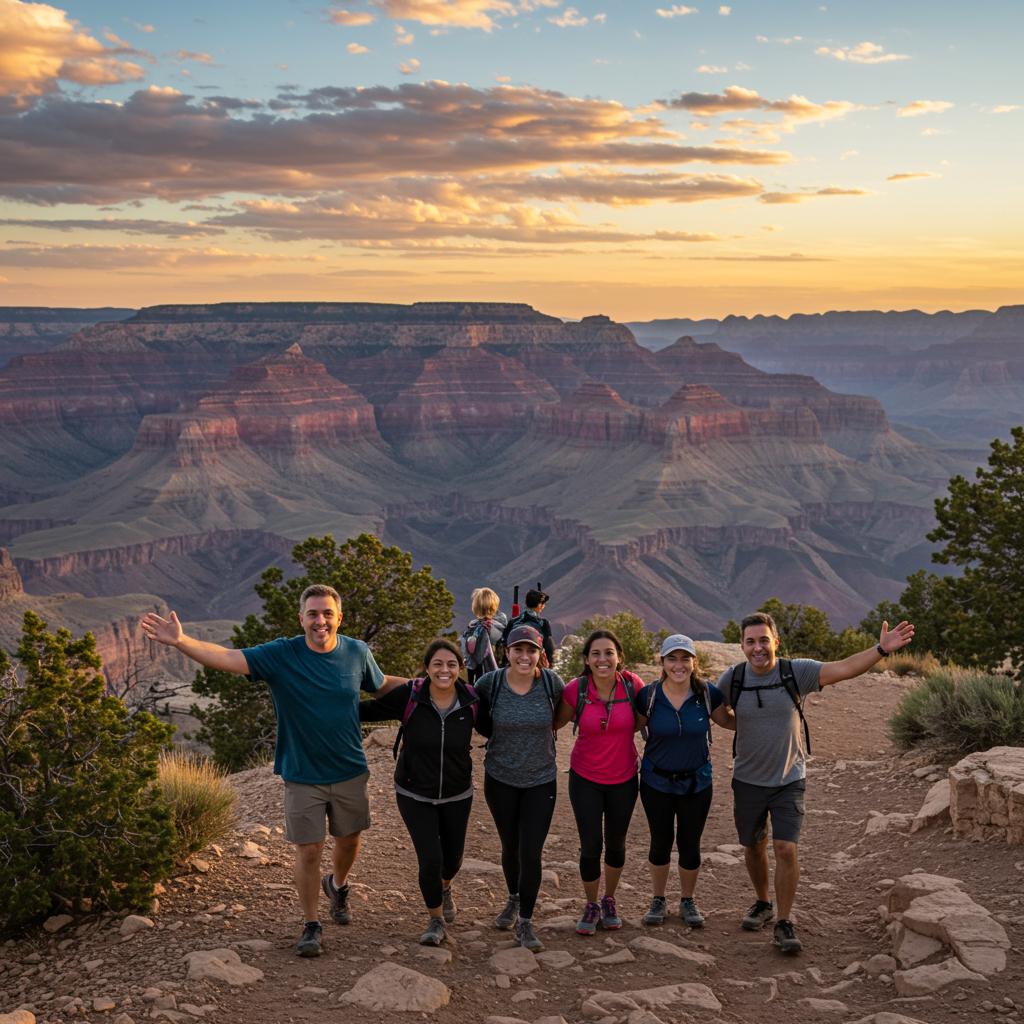
An establishing shot showing a unique tourist environment with customers engaged in an authentic activity. The photo is well-lit and composed.
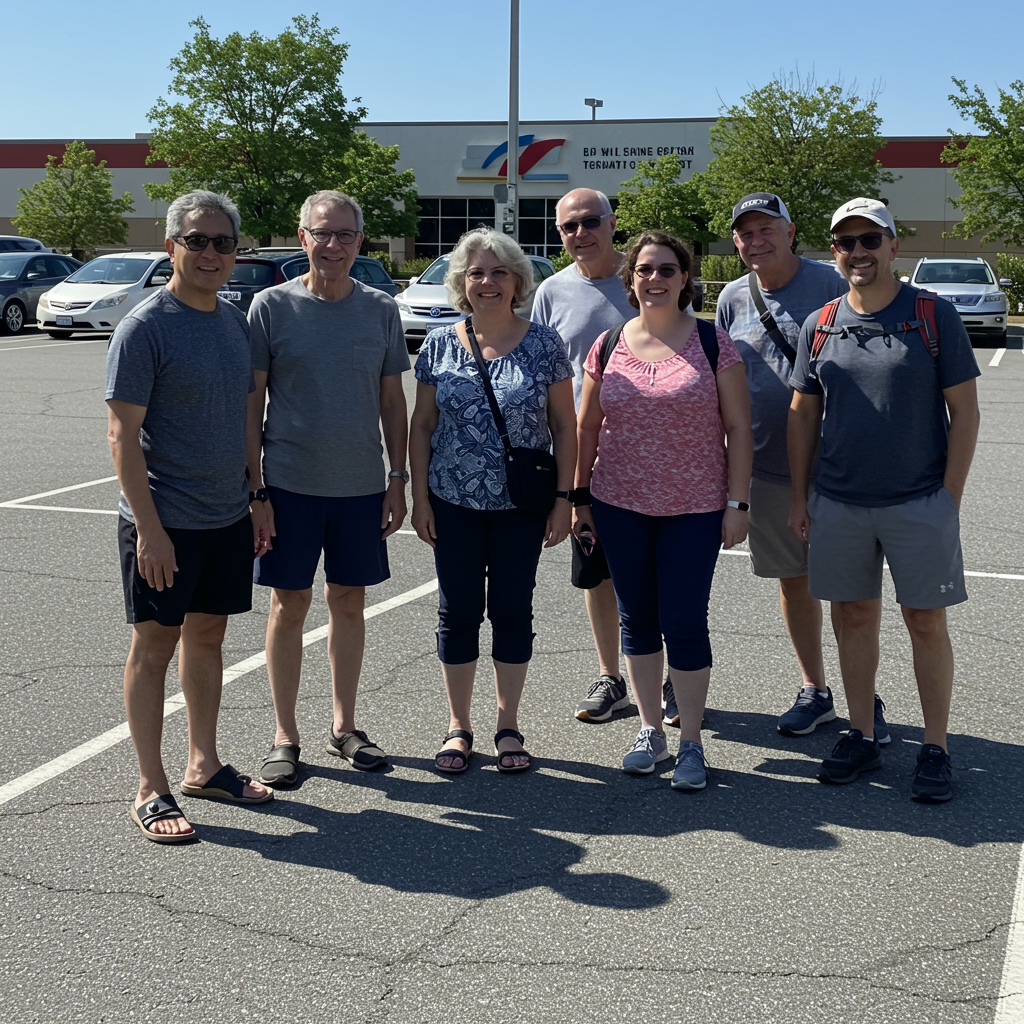
An uninspiring, poorly framed, and badly lit photo of uninspired subject matter, with no sense of fun or engagement.
Short Description / Summary
100 – 200 charactersPurpose: Summarize your activity in two or three sentences. Inspire by letting readers imagine themselves there.
Tips
- Repeat the main attraction or destination.
- Put key attractions at the start.
- Include important details (e.g. duration, location).
- You don’t have to use the whole character limit.
Included
Purpose: List items that are included in the experience.
Tips
- This is optional — don’t include trivial details.
- Don’t include the actual product (e.g. ‘bus transport’ for a bus tour).
- List inclusions in order of importance or value.
Excluded
Purpose: Keep your customers happy by listing things they might expect to receive as part of your product.
Tips
- Don’t point out things a customer would not expect.
- Don’t have too long a list that could look unappealing.
Highlights
20 – 60 charactersPurpose: This section is a powerful place to list the most compelling elements of your product.
Tips
- Put the best highlights first.
- Use evocative words and verbs.
- Only list genuine highlights.
- Don’t include or repeat fundamental aspects of the product.
Know Before You Book
60 – 100 charactersPurpose: Include information to help readers understand who the product is \u2014 and isn\u2019t \u2014 suitable for. Consider age, mobility, language, diet, skills, fitness, etc.
Tips
- Include details important for people with low vision, hearing, or mobility restrictions.
Know Before You Go
60 – 100 charactersPurpose: Include information for buyers prior to experiencing your product. Include items to bring, pre-tour communication, waivers or contracts, etc.
Examples
- Bring your own snorkel gear
- Advise us of camera model in advance
- Ensure contact details are correct
Tips
- Think about what travelers need to prepare before arriving.
- Be specific about anything they need to bring or arrange in advance.
Ready to create better listings?
Let Magpie help you craft, optimize, and distribute your experience content across every channel.